


 AccessLex


Empowering Advocates: Financial Aid Administrators Take Their Voices to Capitol Hill
AccessLex Institute® recently launched a new policy engagement initiative designed to empower financial aid administrators to advocate for higher education policy improvements. Through this Advocacy Bootcamp, selected participants received training and support to effectively engage with congressional offices, culminating in a “Day on the Hill” in Washington, D.C. There, administrators brought their expertise directly to policymakers — sharing insights from the front lines and advocating for changes to better support law and medical students facing complex financial challenges.
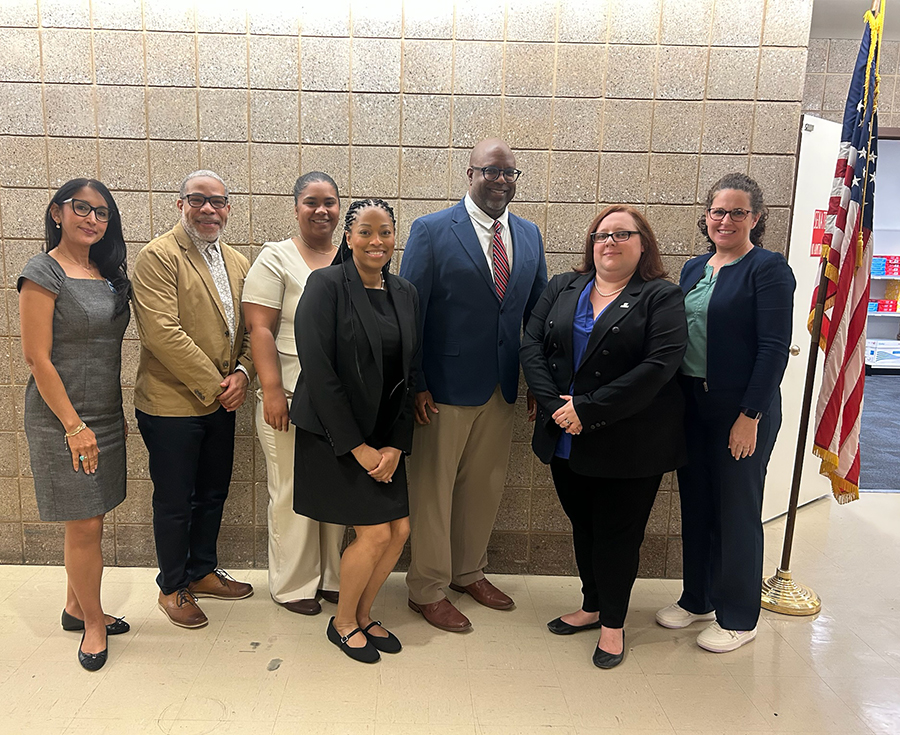
A Day of Advocacy in Action
For Jerel Arceneaux, Sr. Financial Aid Officer at the Floyd School of Medicine, University of South Carolina, the experience was both illuminating and impactful:
“The trip to Capitol Hill was an eye-opening experience. It was great not only to talk with congressional staffers, but also to hear their perspectives and better understand the priorities of the offices we visited. One of my biggest takeaways was realizing that policymakers often don't know the realities of financial aid administration or the impact federal aid has on students unless we take the time to share those stories. The experience reinforced how important advocacy is and how much value there is in having a seat at the table.”
Participants also emphasized the power of collaboration and collective advocacy. Nasreen Zia, Director of Student Financial Services at the University of California, Irvine School of Law, reflected on the strength of shared purpose:
“Participating in the Advocacy Bootcamp was an incredibly empowering experience. Connecting with industry colleagues who share the same message made our collective voice so much stronger. The absolute highlight for me was meeting with the staffers for Dave Min, Alex Padilla, and Adam Schiff; thanks to Monica Konaté and Nancy Conneely’s seamless coordination, navigating Capitol Hill and delivering our message felt completely effortless and impactful.”
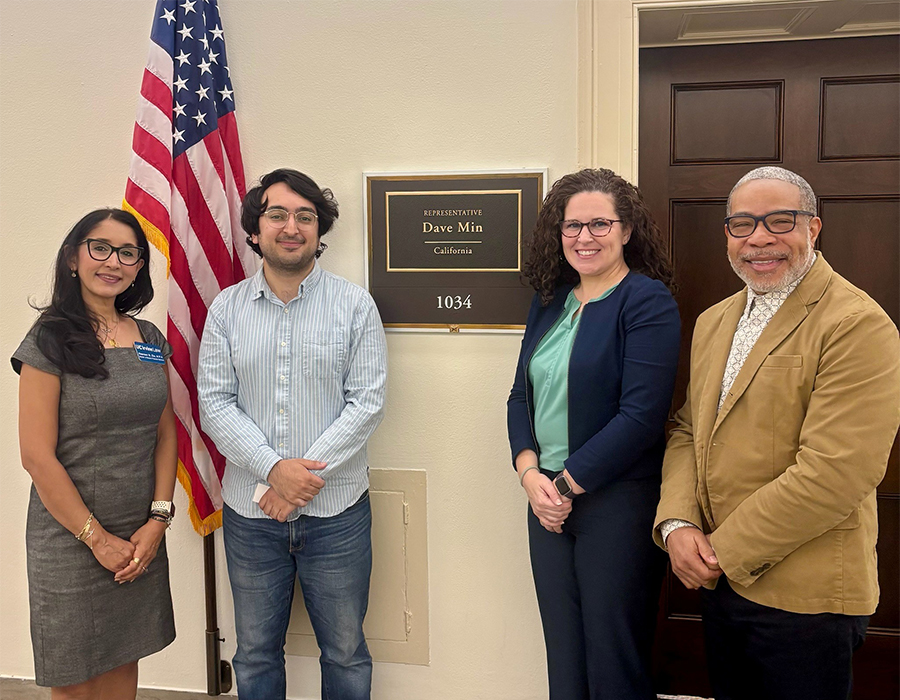
For many, the opportunity to engage directly with policymakers reinforced the importance of personal connection in advocacy. Laken Ann Walker, Program Manager of Student Financial Aid at the University of Toledo College of Law, underscored the impact of face-to-face engagement:
“For me, I loved the opportunity for direct advocacy. Lawmakers typically hear from those of us on the front lines via emails, letters, and calls, all of which are easy to set aside. It is much more difficult to dismiss a face-to-face interaction. We were able to remind them of how these laws and regulations affect real people on a daily basis. One of the promises I make to my students is that I will advocate for them to the best of my ability, and I feel this program allowed me to advocate at the highest level possible. I am proud of the work we did in Washington.”
Michael Finnell, Assistant Director at IU Indianapolis Office of Student Financial Services, Indiana University Robert H. McKinney School of Law, captured both the professional and personal significance of the experience:
“Pertaining to this experience? Nothing short of phenomenal! To be in those hallowed spaces, to feel the reverence and presence of such history, and to speak on behalf of our students, was a true honor and privilege and I am appreciative for being given this opportunity. Favorite moments? Meeting all of you, just being in the Capitol, and being in the actual spaces where the decisions are made. I was even surprised by seeing Senator Alex Padilla walk by us as we waited to speak with his staff.”
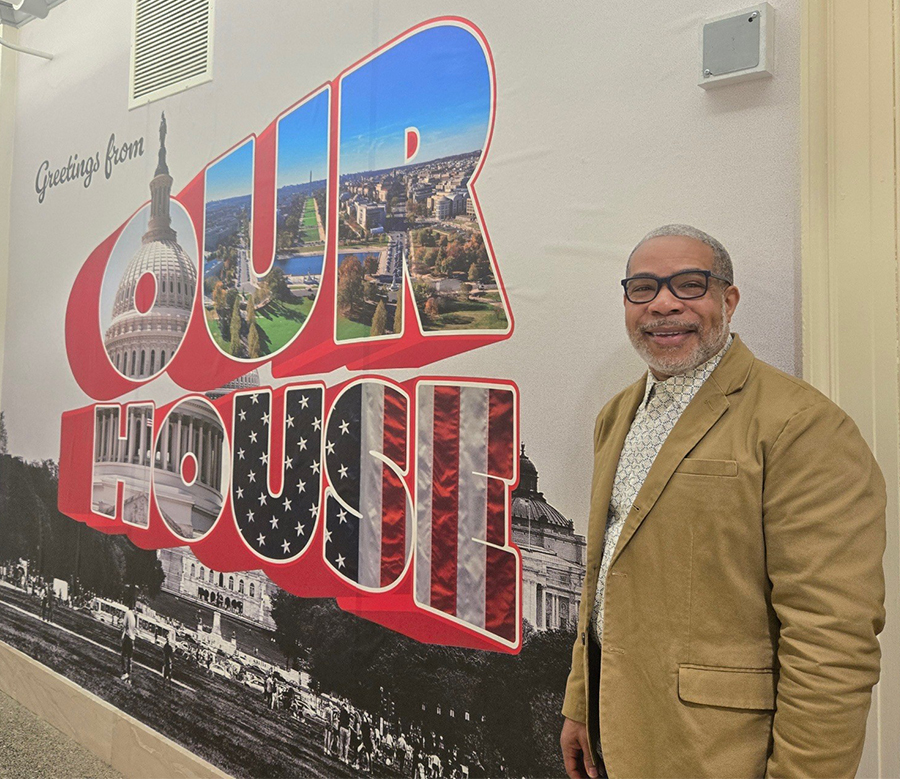
Continuing the Conversation
This inaugural Advocacy Bootcamp demonstrated the critical role financial aid administrators play in shaping higher education policy — and the power of equipping them with the tools and opportunities to share their expertise directly with decision-makers. AccessLex Institute looks forward to building on this momentum and continuing to amplify the voices of those who support students every day.
Financial aid administrators interested in participating are encouraged to watch for the next application cycle, opening in early 2027. This unique opportunity offers a chance to develop advocacy skills, connect with peers, and make a meaningful impact on the policies that shape student access and success.

To find resources and learn more about our advocacy efforts related to graduate and professional loans and the recent caps, check out our Student Aid Policy Action Center.